
YOUTH
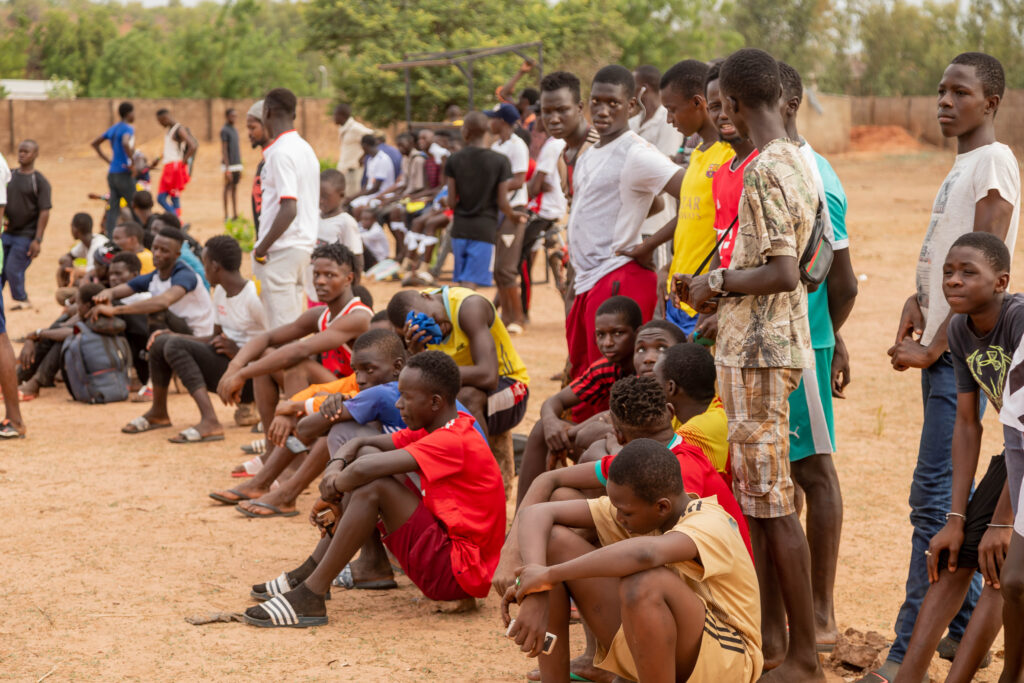
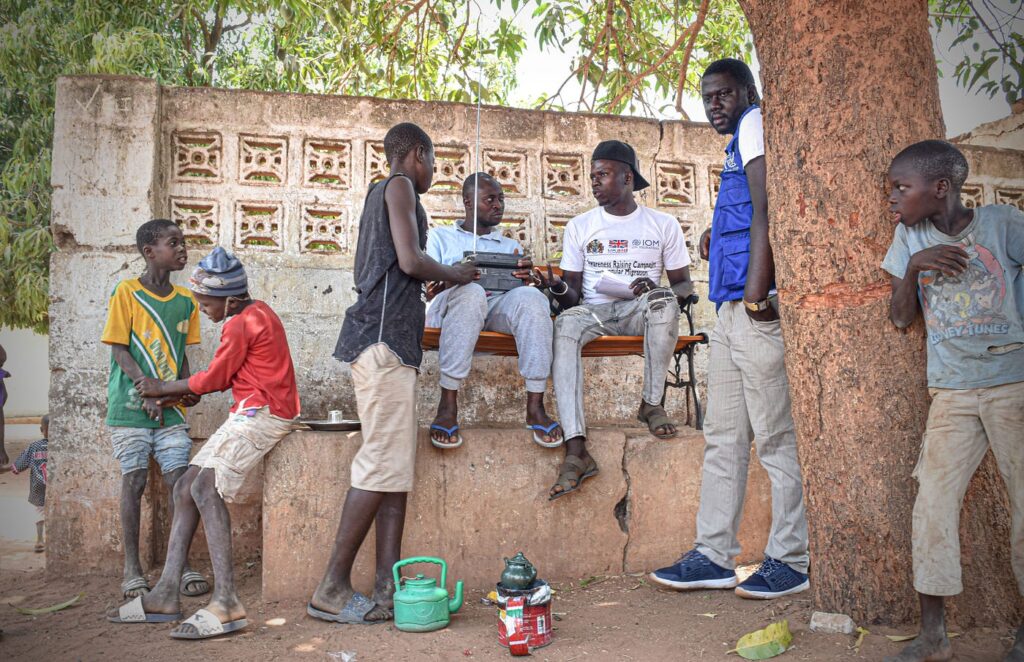
Youth in The Gambia face numerous challenges that hinder their ability to thrive. Many young people, particularly in rural areas, lack access to quality education and skills training. The emphasis on formal education over practical training (TVET) leaves many youths without the necessary job skills. High unemployment rates, especially in urban areas, and inadequate support for young entrepreneurs exacerbate their struggles. Additionally, access to healthcare is limited, and substance abuse is a significant issue. Irregular migration is also prevalent, as many young people leave the country in search of better opportunities abroad.
To help youth overcome these challenges, investments in education and skills training are crucial. Improving the quality of TVET and promoting science, technology, engineering, and mathematics (STEM) education can help bridge the skills gap. Ensuring that all youth, regardless of their location, have access to education is essential. Creating more job opportunities in sectors such as agriculture, fisheries, and technology, along with supporting young entrepreneurs, can help reduce unemployment. Including youth in economic planning and development programs is also important.
Improving the health and well-being of youth is another key area. Programs that address substance abuse need to be implemented. Ensuring all young people have access to quality healthcare can greatly improve their overall health. Social and economic inclusion is also critical. Special programs for rural and differently-abled youth can ensure they have equal opportunities. Raising public awareness and supporting laws that protect the rights of differently-abled youth can help them integrate better into society.
Finally, to reduce high rates of irregular migration, it is important to improve local opportunities and living conditions. Providing better prospects within the country can discourage youth from seeking opportunities abroad. These combined efforts, as outlined in the National Youth Policy of The Gambia (2010-2028), aim to empower the nation’s youth to make better life choices and contribute positively to national development.