

FOOD SECURITY
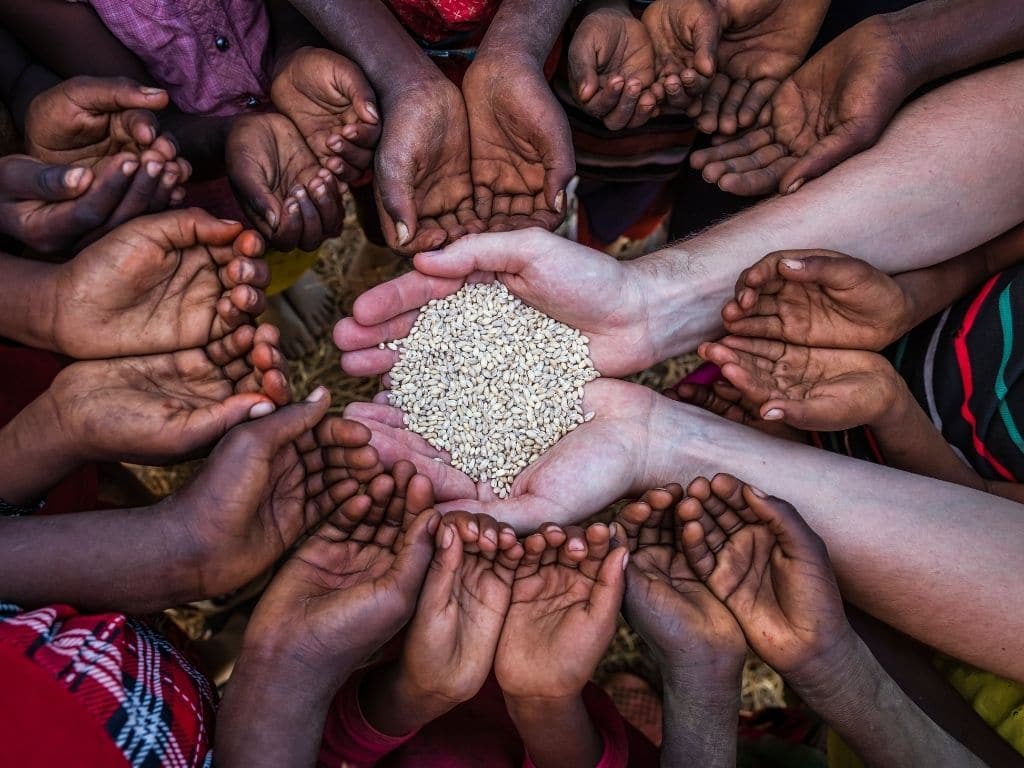
The Gambia faces several challenges that impact its ability to ensure food security for its population. Firstly, the country’s agriculture is severely affected by climate change, resulting in unpredictable rainfall patterns, recurring droughts, and soil erosion. Farmers need support in adopting resilient farming practices, such as using drought-resistant crops and techniques that protect soil health.
Secondly, many farmers lack access to essential resources such as high-quality seeds, fertilizers, and modern farming equipment. Improving access to these resources through subsidies, microfinance, and partnerships with organizations that can provide technology is crucial. Educating farmers on effective farming methods is also important to help them increase productivity despite climate challenges.
Additionally, inadequate infrastructure for storing and transporting food leads to significant post-harvest losses. The Gambia needs better facilities for cold storage, improved roads, and efficient marketplaces to minimize food spoilage and ensure that harvested crops reach consumers in good condition.
Economic instability and high levels of poverty also contribute to food insecurity by making it difficult for people to afford nutritious food. Implementing social support programs such as cash transfers and food subsidies can help vulnerable populations access the food they need. Promoting job opportunities and diverse income sources is also important to improve economic stability and food access across the country.
To address these challenges comprehensively, The Gambia must focus on improving agricultural practices, investing in infrastructure, and enhancing economic opportunities. These efforts are essential for building a resilient food system that can sustainably meet the needs of its population.