

EDUCATION
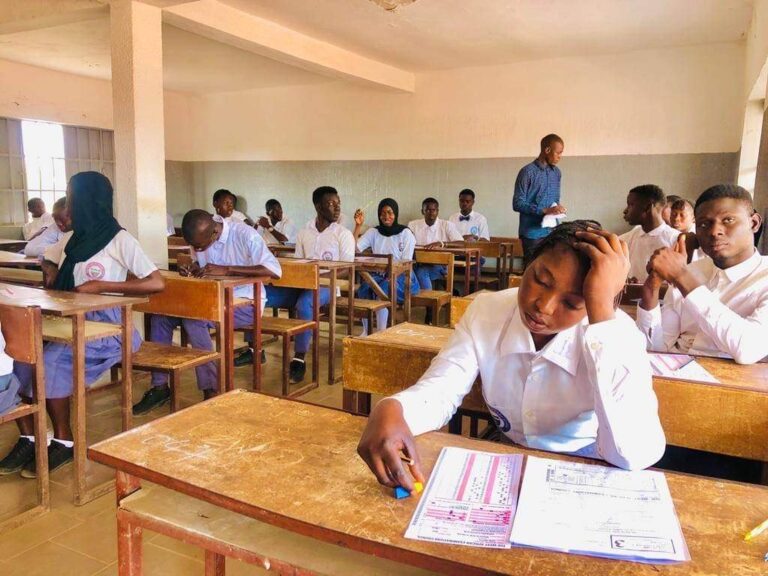
The Gambia’s education sector faces several challenges. Many children, especially in rural areas, cannot attend school due to economic and infrastructural barriers. These challenges have led to difficulties in funding schools and educational programs, resulting in overcrowded classrooms and unequal access to education.
To address these issues and create a new generation of productive citizens and leaders, a comprehensive approach is needed. First, we should build more schools and improve existing ones to reduce overcrowding. Providing financial aid and scholarships will help poor families send their children to school, increasing the number of children attending school and reducing the number of out-of-school children.
Improving the quality of education is also crucial. Better training for teachers and ongoing professional development will help them deliver effective lessons. Updating the curriculum to match job market needs and incorporating vocational training will equip students with necessary skills for future jobs. Developing better assessment tools will help monitor student progress and identify areas for improvement. Additionally, integrating technology, such as Learning Management Systems (LMS), can enhance teaching and learning. LMS can provide students with access to online resources, enable teachers to manage coursework efficiently, and support interactive and personalized learning experiences.
Supporting girls’ education is vital. Programs such as mentorship, awareness campaigns, and creating safe school environments can help increase girls’ enrollment and retention rates. Policy reforms to enhance transparency and resource management in the education sector are crucial. Encouraging community involvement in school management will ensure that educational programs meet local needs.
By implementing these strategies, The Gambia can nurture a new generation of leaders and productive citizens, which is essential for the country’s development.